
Diamonds remain one of the most valued gemstones because of their brilliance, durability, and rarity. Whether you are buying an engagement ring, comparing gemstones, or researching lab grown diamonds KL, understanding how diamonds differ in quality and value helps you make informed decisions. Modern buyers also compare lab diamonds with natural diamonds to find the best option for their budget and preferences.
This guide explains diamond formation, quality grading, popular cuts, pricing, and the differences between natural and lab-created stones.
Table of Contents
What Are Diamonds?
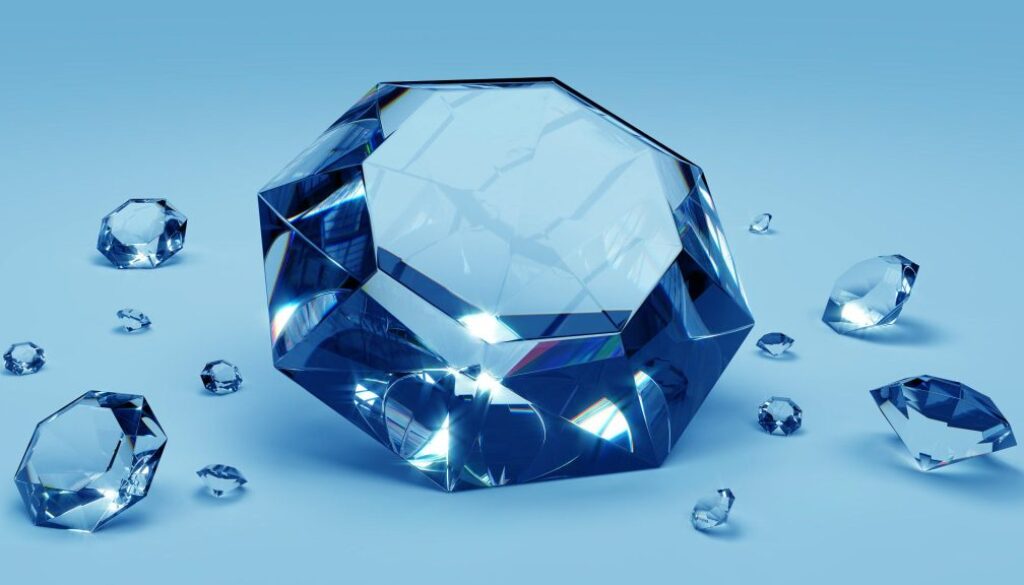
Diamonds are crystals made entirely of carbon. They form deep beneath the Earth’s surface under extreme heat and pressure over billions of years. Volcanic activity eventually brings them closer to the surface through kimberlite pipes.
Natural diamonds are mined from the earth. Lab diamonds, on the other hand, are created in controlled laboratories using advanced technology that replicates natural growing conditions. Both have the same chemical composition, crystal structure, and physical properties.
Diamonds and Lab Grown Diamonds KL
Interest in lab grown diamonds KL has increased because buyers want high-quality diamonds at a more accessible price. Kuala Lumpur has become a growing market for certified lab-created diamonds, offering loose stones and finished jewelry.
Lab diamonds are produced using either High Pressure High Temperature (HPHT) or Chemical Vapor Deposition (CVD). These methods create real diamonds rather than diamond simulants. Independent gemological laboratories grade lab-grown stones using the same standards applied to natural diamonds.
Lab Grown Diamonds vs Natural Diamonds
One of the most common questions is what is the difference between lab grown and natural diamonds.
Natural diamonds develop underground over geological time. Lab diamonds grow inside specialized equipment within several weeks. Despite their different origins, both types have identical hardness, brilliance, and optical characteristics.
Here are the key differences:
- Natural diamonds are mined from the earth.
- Lab diamonds are grown in laboratories.
- Lab diamonds usually cost 30% to 60% less than natural diamonds of similar quality.
- Natural diamonds generally retain stronger resale demand.
- Both can receive certification from respected gemological laboratories.
Choosing between lab grown diamonds vs natural diamonds depends on your budget, personal values, and long-term expectations.
Understanding the 4Cs of Diamond Quality
The Gemological Institute of America introduced the 4Cs to evaluate diamond quality.
Cut
Cut determines how effectively a diamond reflects light. A well-cut diamond appears brighter and more brilliant.
The round brilliant cut diamond engagement ring remains the most popular choice because it delivers exceptional sparkle through its 58 carefully arranged facets.
Color
Diamond color ranges from D to Z. D represents colorless diamonds, while lower grades show increasing yellow or brown tones.
Colorless diamonds often command higher prices, although near-colorless grades offer excellent value.
Clarity
Clarity measures internal inclusions and external blemishes.
Many inclusions remain invisible without magnification. Buyers often select eye-clean diamonds instead of paying a premium for flawless stones.
Carat Weight
Carat measures a diamond’s weight rather than its size.
Two diamonds with identical carat weights may appear different depending on their cut proportions and shape.
Diamond Shapes by Price
Different shapes require different amounts of rough diamond during cutting. This directly affects pricing.
Common diamond shapes by price include:
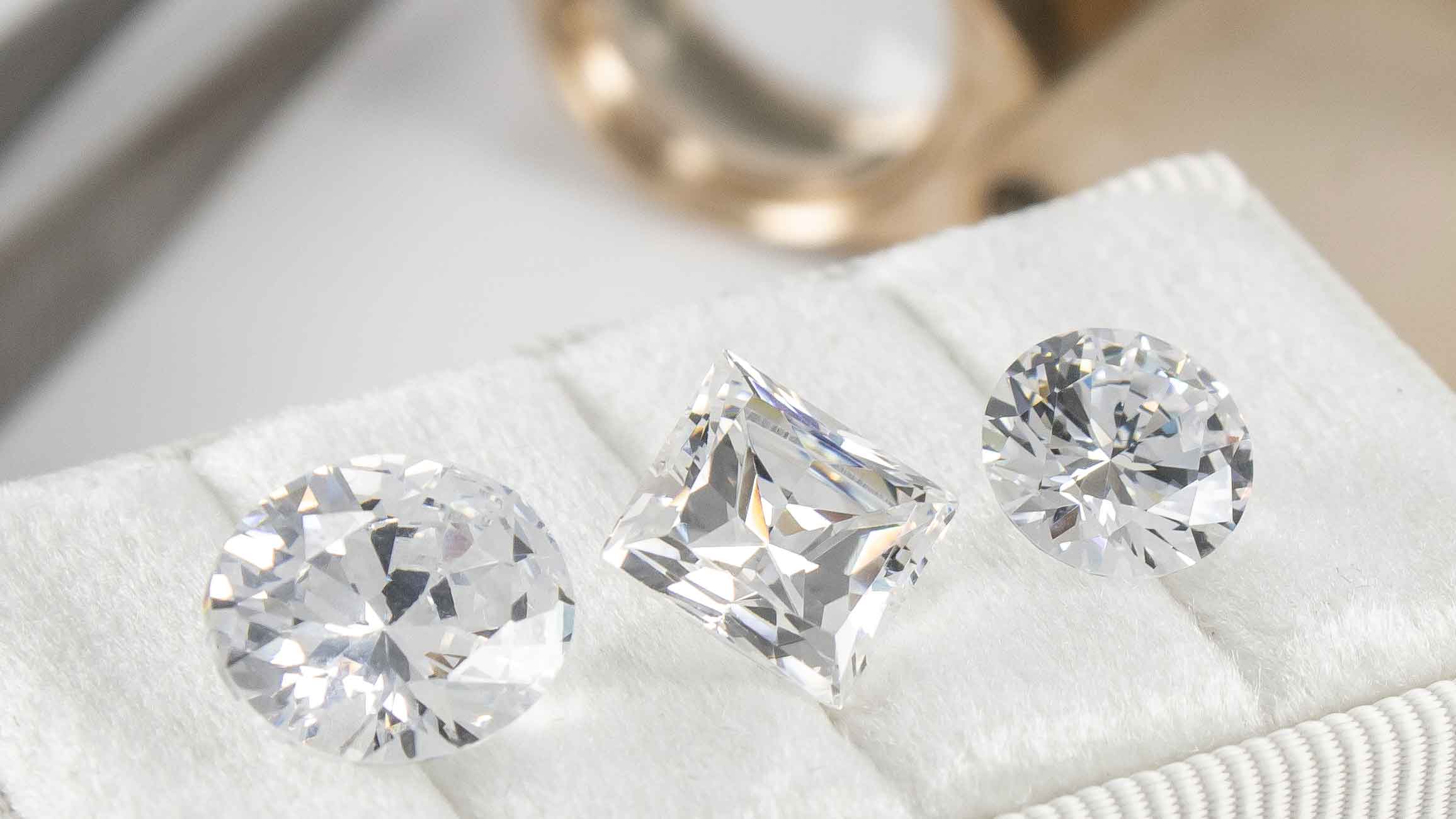
- Round Brilliant: Usually the most expensive because cutting produces more waste.
- Oval: Offers a larger appearance for the same carat weight.
- Cushion: Combines soft corners with excellent brilliance.
- Emerald: Highlights clarity through long step-cut facets.
- Pear: Creates an elegant elongated appearance.
- Princess: Maximizes rough diamond usage while maintaining strong sparkle.
- Radiant: Blends brilliance with trimmed corners.
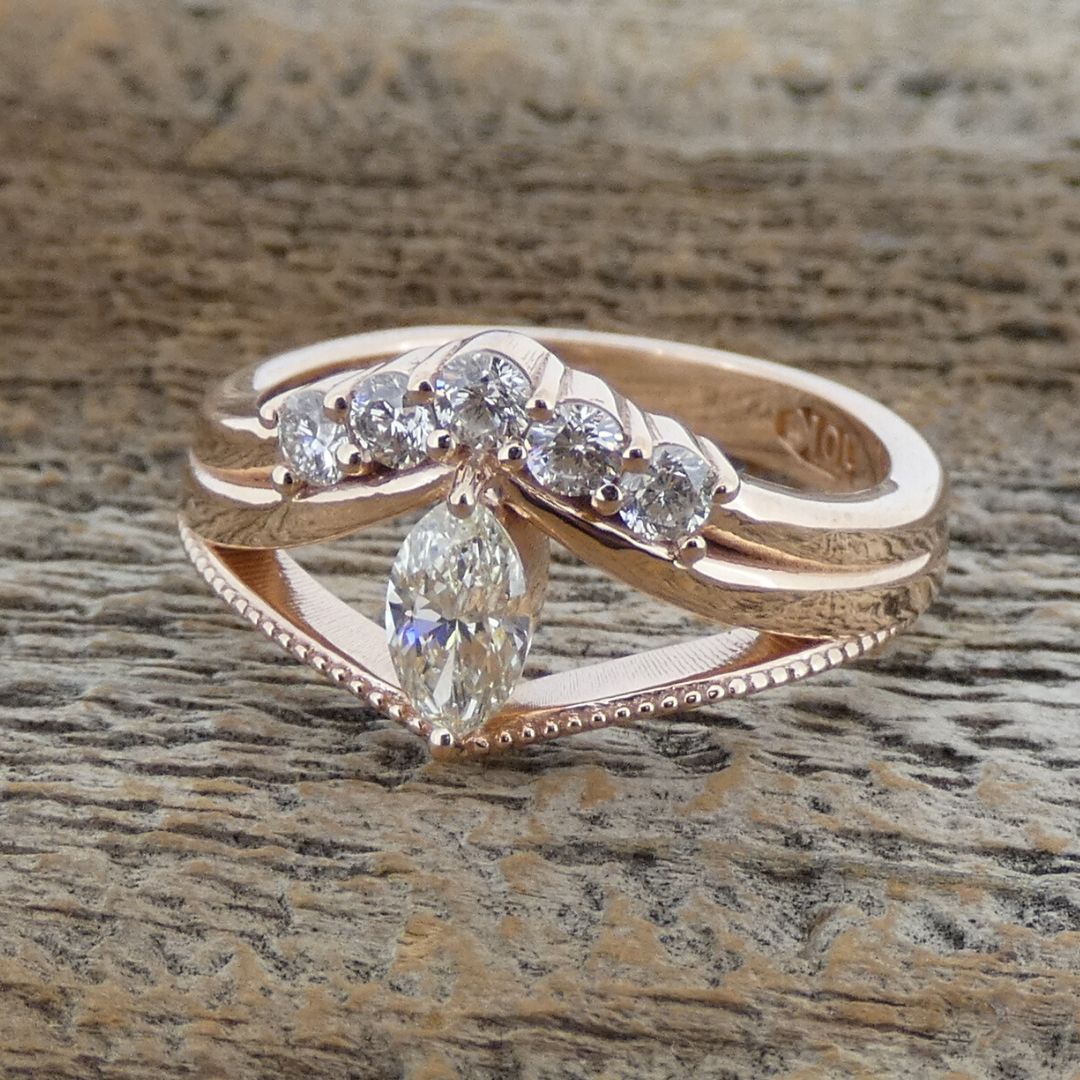
- Marquise: Appears larger because of its elongated shape.
Choosing a shape involves balancing appearance, price, and personal style.
What Is Moissanite? Diamond vs Moissanite
Many shoppers compare what is moissanite, diamond vs moissanite, and chart moissanite vs diamond price before purchasing jewelry.
Moissanite is a gemstone made from silicon carbide. Although it resembles a diamond, it is a completely different mineral.
Comparison:
| Feature | Diamond | Moissanite |
|---|---|---|
| Hardness | 10 Mohs | 9.25 Mohs |
| Material | Carbon | Silicon Carbide |
| Brilliance | High | Very High |
| Fire | Excellent | More colorful flashes |
| Price | Higher | Lower |
Moissanite provides excellent durability and sparkle at a significantly lower cost. However, buyers seeking a genuine diamond typically choose either natural or lab-grown diamonds.
Where to Buy Loose Lab Grown Diamonds
Many buyers prefer selecting the stone before choosing a ring setting.
If you are wondering where to buy loose lab grown diamonds, consider these factors:
- Certification from recognized gemological laboratories.
- Detailed grading reports.
- High-resolution images and videos.
- Transparent pricing.
- Return policies.
- Available customization options.
Many reputable jewelers also allow customers to buy loose lab grown diamonds for custom engagement rings or heirloom settings.
Popular Engagement Ring Styles
Engagement ring styles continue to evolve while maintaining timeless appeal.
Round Brilliant Cut Diamond Engagement Ring
The round brilliant remains the most popular engagement ring style because it maximizes light performance and complements nearly every setting.
Toi et Moi Engagement Ring
The toi et moi engagement ring features two gemstones placed side by side. The French phrase means “you and me,” representing two individuals united in one design.
The toi et moi ring meaning has made this style popular for couples seeking symbolic jewelry with a distinctive appearance.
Some buyers have also discussed the toi et moi ring controversy, which usually centers on celebrity trends, historical interpretations, or differing opinions about pairing gemstones. These discussions relate to design preferences rather than the quality of the ring itself.
How Diamond Certification Protects Buyers
Certification provides an independent assessment of a diamond’s quality.
A grading report typically includes:
- Carat weight
- Color grade
- Clarity grade
- Cut grade
- Measurements
- Fluorescence
- Proportion details
Certified diamonds allow buyers to compare stones accurately without relying solely on visual appearance.
Caring for Diamonds
Diamonds are durable but still require proper care.
Clean jewelry regularly using warm water, mild soap, and a soft brush. Avoid harsh chemicals that may damage metal settings. Store each piece separately to prevent scratches between jewelry items.
Professional inspections help identify loose prongs before stones become damaged or lost.
Choosing the Right Diamond
Buying a diamond involves balancing quality, budget, and personal preference.
Some buyers prioritize a larger carat size, while others focus on superior cut quality for maximum brilliance. Lab diamonds offer an affordable alternative without sacrificing appearance or durability. Natural diamonds continue to attract buyers who value geological origin and rarity.
Understanding the 4Cs, comparing diamond shapes, reviewing certification, and evaluating different engagement ring styles helps buyers make confident decisions. Whether selecting a natural stone or exploring lab grown diamonds KL, informed research leads to a purchase that matches both expectations and budget.