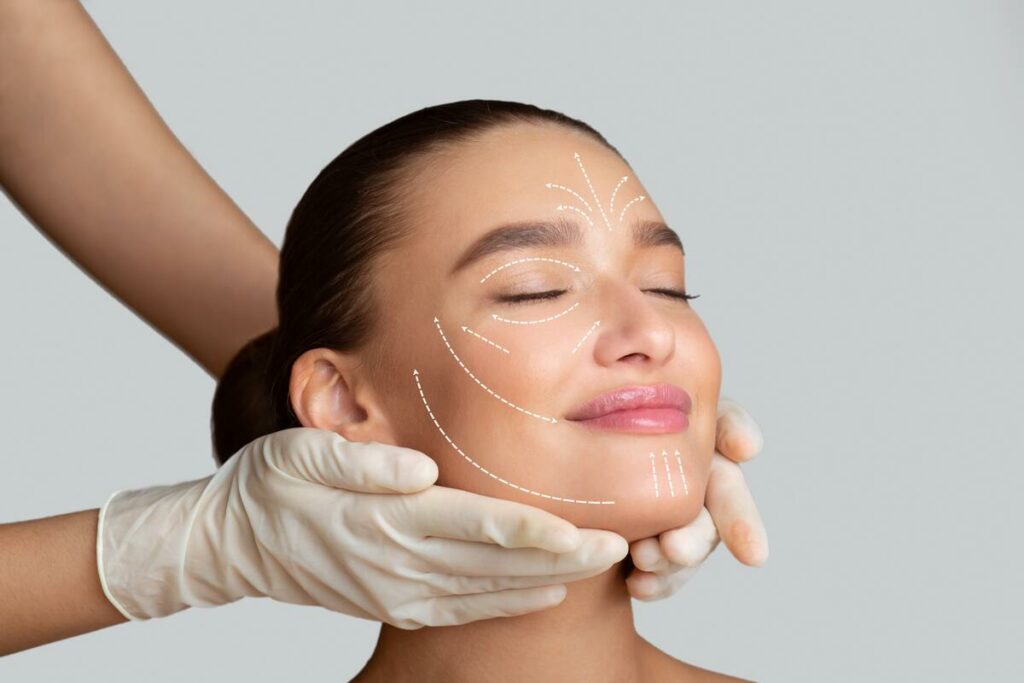
Older years come for everyone, yet plenty still try to keep their looks fresh without going under the knife. Right now, one standout fix that skips surgery is called Ultherapy for the face. Instead of cuts or scars, it beams sound waves deep below the surface. Results show gradual firming, like time reversing itself quietly. Healing takes almost no pause in daily life.
Picture this – what if lifting skin didn’t need a single cut? That’s where Ultherapy steps in. Think sound waves, deep below the surface, sparking change without slicing open anything. It tightens things up, slowly, like time rewinding itself under your chin or along your jaw. Some notice less sag after just one round, though results differ person to person. Could it fit your path? Maybe. Depends on what you’re facing, what you want, how much waiting feels okay.
Table of Contents
Ultherapy Face Lifting Explained?
Deep inside the skin, something shifts when sound waves pass through. A lifting effect appears without cuts or needles involved. This method targets loose areas on the face, along the neck, down to the chest. Instead of going under the knife, people choose pulses of ultrasound. Over time, the body responds by building fresh support underneath. Results come slowly, quietly, like changes you notice only after they’re there.
How This Is Different From Old Facelift Methods
- No cuts or incisions
- No anesthesia required
- Hardly any pauses. Sometimes none at all
- Gradual, natural-looking results
For those seeking visible changes but wary of surgical dangers, Ultherapy stands out as a go-to choice. Not everyone leans toward scalpels – some prefer solutions that skip the operating room entirely. Results matter, yet so does safety, which is why this method draws interest. It offers change without cutting, healing without long waits. Risk drops when knives stay put, making it fit well for cautious seekers of renewal.
How Ultherapy Works
Deep beneath the surface, ultherapy face lifting, tiny beams of sound energy zero in on tissue that sags over time. This method reaches spots most creams never touch. What surgeons lift with cuts, this approach tightens without a blade nearby. Pressure builds just enough to spark change down low. Skin learns to pull itself back up through repeated nudges. Results show slowly, like something waking after long rest.
The Science Behind
- Ultrasound Energy Delivery
- Beneath the outer layer, sound waves target deep tissue exactly.
- Collagen Stimulation
- Heat from this source warms specific areas, sparking collagen growth through the body’s built-in repair system.
- Skin Tightening and Lifting
- Little by little, fresh collagen builds up, gently pulling the skin tighter. As days pass, the tissue renews itself, offering a natural lift. With each phase, support deep within grows stronger. Slow changes bring firmer texture over weeks. Newly formed fibers reshape how the surface holds.
Areas Treated
- Brow and forehead
- Jawline and chin
- Neck
- Under the chin
- Chest (décolletage)
Ultherapy Face Lifting Benefits
One reason people lean toward Ultherapy? It works well across different skin types. Another thing – it suits anyone wanting change without surgery.
Non-Invasive Treatment
Skipping the operating room entirely, this option sidesteps scalpels and punctures – fewer complications show up later. Healing happens faster when there is nothing torn open.
Natural-Looking Results
Change shows slowly, taking around two to three months, so shifts look real instead of staged.
Minimal Downtime
Right away, many folks get back to daily life following the treatment. A good number resume routines without delay once it is done.
Long-Lasting Effects
Some people see effects stick around for twelve months, sometimes longer – how your skin changes over time plays a big role. Skin type matters too, shaping how soon things shift again.
Who Qualifies as an Ideal Candidate?
People noticing a slight sag in their skin might find Ultherapy fits well. A gentle shift in firmness often signals it could help. Those seeing early looseness sometimes choose this path. Skin that has started to droop just a little may respond nicely here. Subtle changes over time make some consider this option.
You May Be a Good Candidate
- Loose skin shows up near your neck sometimes. Jawline changes catch your eye one morning. A shift appears without warning after years. Skin just hangs a bit lower now. This happens as time moves on slowly
- Your eyebrows appear droopy
- You want a non-surgical alternative to a facelift
- You prefer gradual, natural results
People Who Should Steer Clear?
- Individuals with severe skin sagging
- Those with open wounds or severe acne in the treatment area
- Pregnant women should speak to a healthcare provider before taking any steps
what to expect during the procedure
Most people relax a bit once they see how it works. What helps is knowing each step ahead of time.
Before the Treatment
- Consultation with a certified practitioner
- Assessment of skin condition
- Customized treatment plan
During the Treatment
- On those spots, a small gadget gets put to work. The tool moves where it needs to go by hand. It focuses right where it should. A person holds it during use. Target zones receive its attention directly
- Some people notice a faint warmth spreading through the area. A subtle buzz might show up now and then. Heat can creep in without warning. Tingles sometimes pop up out of nowhere. Sensations shift – warmth one moment, light pulsing the next
- Most times, a session might run half an hour or stretch close to ninety minutes
After the Treatment
- Mild redness or swelling may occur temporarily
- No downtime – resume daily activities immediately
- Results gradually appear over weeks
Ultherapy Compared to Other Skin Tightening Options
Ultherapy stands out among other non-surgical treatments due to its unique technology.
More Comfortable Than Lasers
- Ultherapy penetrates deeper layers
- Most of the time, laser deals with what’s visible right away
Radiofrequency Treatments Compared
- Ultherapy uses ultrasound for deeper precision
- Radiofrequency works more superficially
Potential Side Effects
Most people find Ultherapy a secure option, yet similar to other skin treatments, slight issues can pop up now and then. Sometimes redness shows, though it fades fast. Bruising happens once in a while, nothing lasting. Swelling might appear, usually gone within days. Tingling feelings occur, mostly mild. Skin sensitivity follows, tends to pass quickly. Rarely, numbness lingers short term. Discomfort during treatment varies person to person. Results differ across individuals too. Healing time stays brief for nearly everyone.
Common Side Effects
- Redness
- Slight swelling
- Tenderness
- Temporary tingling
Most times, things get back to normal between a couple of hours and several days later.
Ultherapy Face Lift Cost
The cost of Ultherapy varies depending on:
- Treatment area
- Clinic location
- Practitioner expertise
Most people pay between fifteen hundred and four thousand five hundred dollars. Though the price might feel high, some see value because the effects last a long time, looking very much like their natural appearance.
Tips for Best Results
Ultherapy Benefits Maximized
- A good pick means someone trained well, plus plenty of practice behind them
- Before care steps come, do what they say. After treatment ends, stick to the plan given
- Maintain a healthy skincare routine
- Water keeps your body running, so drink plenty through the day. Sunlight can harm your face and arms, meaning sunscreen matters every morning
Conclusion
Starting from within, Ultherapy boosts your skin’s own collagen to create a firmer look over time. Instead of surgery, this method offers a subtle lift through energy waves deep beneath the surface. Some people notice changes weeks after starting treatment, others later – timing shifts per person. Results grow slowly, yet they tend to last when care continues at home. Many pick it because there is no cutting, just quiet renewal happening below sight.