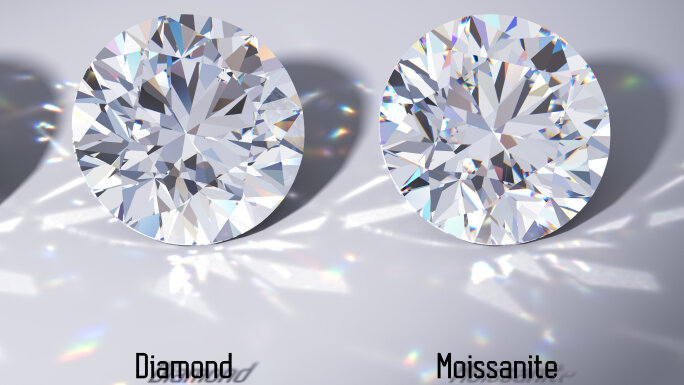

Picking out a diamond now? It does not mean choosing only natural ones. There is something else available – lab grown versions exist too. These sparkle just like the others. Their shine holds up equally well. What sets them apart begins in the making process. You came looking for real details about what makes one better than another. Forget flashy ads. Skip what everyone says is popular. Picture this: clear details that guide your pick. Most folks slip up by staring at dimensions alone. Size? It won’t guarantee shine or worth. What really counts is how you measure merit. Enter a method – color, cut, clarity, carat – a quiet framework behind smart picks.
Table of Contents
The Four Cs Still Count
A lab-created stone follows identical standards as one pulled from the earth. Start here: the 4Cs lab grown diamonds set the foundation.
Cut controls how the diamond looks
Light behaves differently depending on the cut. That shape guides what you see when you look at it. When done right, the stone sends sparkle straight toward you. Brightness comes alive. Sharp details appear. A stone poorly shaped loses sparkle, no matter how clear or colorless it might be. Take this case: one full carat with perfect proportions outshines a heavier rock at one point five if its form is clumsy. Start your search right there.
Color affects how white the stone appears
Starting at D, colors get less clear down to Z. Colorless begins with D. As letters move forward, hints of yellow start showing up. Small shifts often go unnoticed by most people. Seeking value without losing appearance? Try aiming around these marks
- Faint silver hints appear under soft daylight. Tiny flecks shine near the upper edge. Light bounces differently depending on angle. Gray tones mix just above the base layer. A cool finish shows when viewed head-on
- A grade jumps from G to H, landing solid worth through almost colorless look
A ring’s setting might hide the difference between a G and a D diamond. Sometimes light plays on both stones in exactly the same way. One glance won’t reveal which is which. The metal around them shapes how bright they seem. Even close up, distinctions fade under everyday lighting. What looks warmer at first can appear just as crisp later. Perception shifts depending on surroundings.
Foggy spots tell how clean the inside is
Most flaws hide within a diamond, unseen. Tiny marks often stay invisible without magnification. Paying extra for flawless might miss the point entirely. Stones that look clear matter more up close. What shows when you glance is what counts.
- VS1 to VS2 gives clean appearance for most buyers
- SI1 can also work if inclusions are not visible
A VS2 diamond could appear just like a perfect one when seen with the naked eye.
Carat is weight not size
A diamond’s weight is measured in carats. Because of the way it’s shaped, one might seem bigger even if lighter. Even when two stones share the same carat number, their size appearance can differ. Take this case: a nicely proportioned 1-carat stone looks more substantial than a deeper, bulkier 1.2-carat version. Focus shifts once you see how cut influences what stands out. Weight by itself doesn’t tell the full story.
Lab Diamonds Cost Less Because They Skip Mining
Cheaper doesn’t make them worse. Lab grown stones match natural ones in quality every time. Supply chains shape what you pay, nothing else. Picking a sharper cut won’t wreck your wallet here. More room to move means upgrading clarity feels doable. Production speed changes the math completely. A different mindset opens up here. Not forced to accept less, there is room to adjust. Picture picking a modest size with precise craftsmanship and cleaner appearance rather than going big with flaws. The eye notices sharpness more than mere scale. Small change, stronger effect.
Choosing the Right Combination
Pick a way to go about it. Skip the guesswork. Begin by looking at how much you can spend. After that, decide what matters most. Follow these steps one after another
- Cut first
- Then color
- Then clarity
- Carat last
A fresh angle makes beauty matter more than size. What stands out first is sparkle, not spread. Size takes a back seat when brilliance leads. The eye catches light before measurements. Appearance gets priority over carats. Shimmer shows up long before scale does.
Step by step approach
Start by setting a limit. Figure out how much feels right – nothing forced. Move to the cut next. Aim high, like excellent or ideal, since it shapes sparkle. Color comes after that. Stick to D through H, letting money guide where you land. Clarity matters, but go for clear to the eye, not just the loupe. Carat weight? Only grow it once everything else holds firm.
Common Mistakes to Avoid
Foolish spending creeps in when choices ride on fads, not reason.
- Buying high carat with poor cut
- Paying for flawless clarity you cannot see
- Ignoring certification
- Choosing based on price alone
A grading report should be requested every time. Labs such as IGI or GIA deliver reliable results, so trust matters when choosing one.
Lab Created Diamonds and Today’s Buyers
Starting with lab created diamonds savings without compromise. Identical sparkle, identical hardness – just different origins. Every stone arrives graded by trusted labs. Picking one lets you choose clarity, color, cut, all on your terms. These traits appeal most to those who value details that matter
- Engagement rings
- Daily wear jewelry
- Custom designs
A bigger rock might look nice, yet choosing a smaller one lets you upgrade the clarity or color without overspending. Picking modest dimensions opens room to boost what really affects sparkle. Size grabs attention at first, still brilliance holds it longer when light hits just right. Focus shifts from how large it looks to how well it shines under sunlight. Saving on carats means funds go toward finer details that last beyond the initial wow.
Choosing Better Quality When It Matters
Most buys do not require premium picks. Go for better build when
- The diamond is the center piece
- Maximum shine is what you’re after
- Focused on how things hold up over time. What matters grows clear later. Seen through steady use. Value shows slowly, then sticks. Built to last beyond first impressions
Pick balanced quality when:
- You want better size for budget
- A single sparkle fits into a pattern where several gems sit close together
Final Buying Mindset
It’s not about the name tag. What matters sits right in front of you. Look at how it shows up. Go beyond digits. With lab grown stones, there’s extra space to pick wisely. Take hold of that edge. Study the way it’s shaped. Make sure nothing catches your eye when it shouldn’t. Pick colors that fit your everyday life first. After that, think about how big it should be. This way, you won’t look back wishing you’d chosen differently.
FAQs
Are lab created diamonds real diamonds?
Fine. Same atoms, same hardness, identical sparkle – just born in labs instead of deep rock. Everything else matches perfectly.
Lab grown stones – how well do they keep worth over time?
Pieces matter because they work well and look good. Resale shifts depending on demand. Choose by how things appear and function. Worth comes from real experience, not guesses.
What separates them when you look by hand?
Fake it? Not really – your eyes won’t spot which one came from underground or out of a tank. A grown rock and its copy look just the same when you’re squinting at them on a ring.